Quoting and DFM Should Be the Same Step
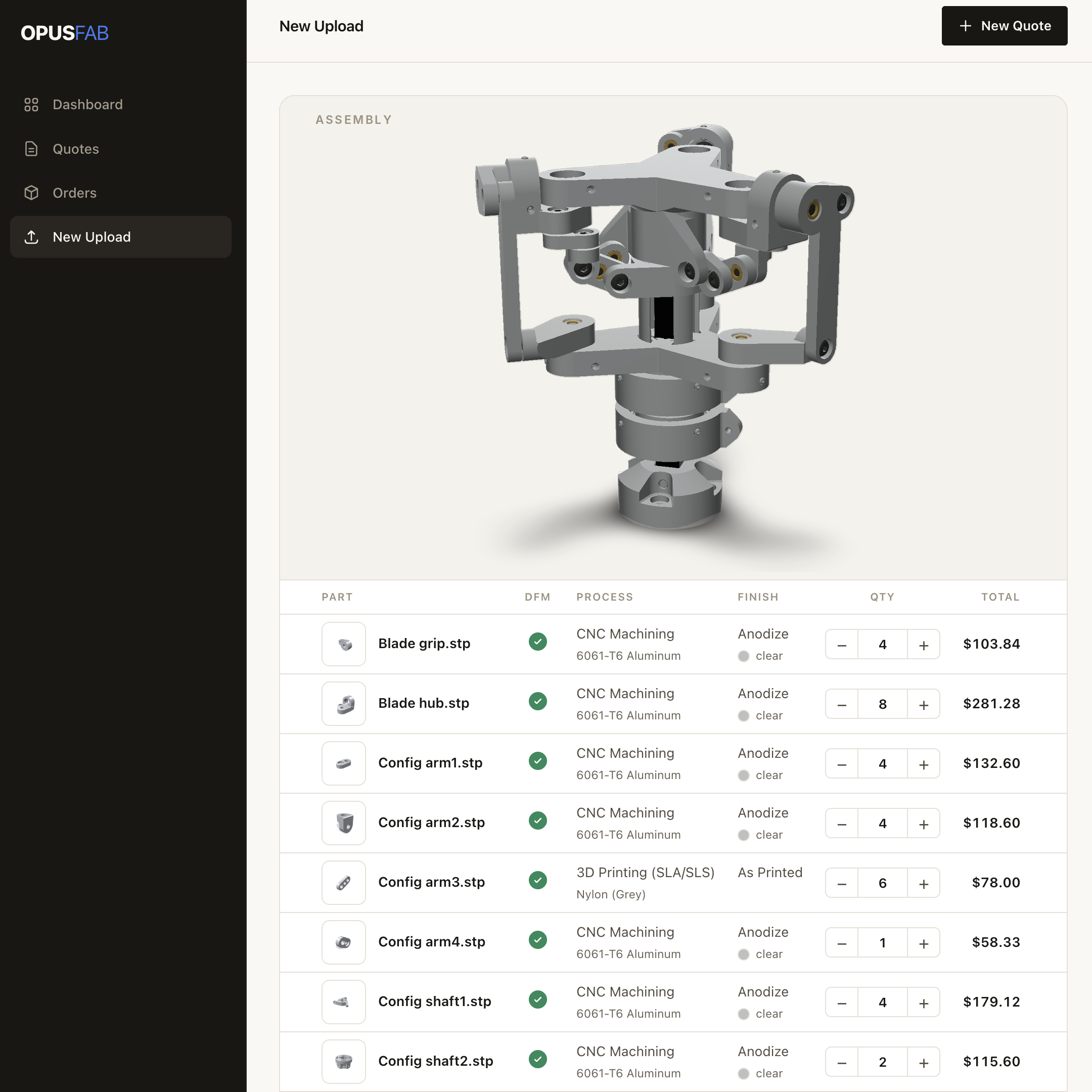

When a customer sends out an RFQ, they expect to get a quote back: a price, a lead time, and confirmation of the material and finish. Some customers expect more than that. They expect high-level design for manufacturing (DFM) feedback with the quote. The reason is simple. They want to make sure what they designed can actually be made. If it cannot be made as designed, the price and lead time on the quote do not mean much, because they are for a part that will not be produced that way.
So when a supplier quotes a part, should it also include a DFM report? This post goes over why it should be included, and why it is also a hassle for suppliers to do it.
Where a DFM report on a quote matters
A customer sends out a full BOM for quotes. Most line items come back close between suppliers, but one part does not. Supplier A quotes it at $2.00. Supplier B quotes it at $5.50. That is a big difference for the same part, the same material, and the same process, at least as far as the customer can tell from the quotes.
The difference is that Supplier B looked at the part and found manufacturing issues that would prevent it from being made correctly as designed, and priced in what it takes to make it. Supplier A gave a general quote based on the geometry and did not look further.
On price alone, Supplier A wins. The risk is that Supplier A will find the same issue once the part is in production. At that point the price goes up, the lead time moves, or the part arrives out of spec. The customer ends up paying more than $2.00 anyway, only later and with less time to react.
This is common: in Tacton’s 2026 survey of 280 manufacturers, 39% reported frequent change orders after a quote was submitted. Without a DFM report attached to each quote, the customer has no way to tell the two apart.
Supplier B offers better value. Its quote is higher, but it raised the red flag before the order was placed. With the issue on the table, the customer can work with Supplier B on changes to the part and bring the quote back down.
A quote only needs high-level DFM
A quote does not need a full DFM review. It needs a high-level check that answers one question: can this part be made as designed, at the price quoted? That check is about red flags, the items that change the price, the process, or whether the part can be made at all. Typical part-level examples:
- Sharp internal corners that a cutter cannot reach
- Holes or pockets deeper than standard tooling can machine
- Walls too thin to hold their shape during machining
- Tolerances tighter than the process can hold
- Features that need an extra setup or a different process
Assemblies need the same check, because one red flag can stop the whole build, not just one part. Typical assembly-level examples:
- Tolerance stack-up: two mating parts are each in tolerance, but one sits at the high end and the other at the low end, and the assembly cannot be put together
- Long-lead components: one electronic component has a 30-week lead time, and the lead time for the whole assembly moves out by the same amount
- Finding alternative components: a BOM often calls out a McMaster-Carr part number or a distributor MPN, but that part may have a long lead time or a high price. Sourcing an equivalent part that meets the same spec from another supplier is also part of DFM
Minor items can wait. Chamfer sizes, small tolerance adjustments, and finish details can be worked out after the supplier knows it has won the order. They move the cost by a small amount and do not change whether the part can be made.
Why suppliers leave DFM out of quotes
The reason is time. A quick quote prices the material, the machine time, and the setup. A DFM check means an engineer opens the model, goes through each feature, and writes up what is a problem and why. That is engineering time on every part, and much more on an assembly.
Most quotes do not turn into orders. A supplier that runs a DFM review on every RFQ spends engineering hours on work it may never be paid for, and hands the analysis to a customer who may take it to another shop. So most suppliers price the part as designed and leave manufacturability until after the purchase order. The customer finds out about the problem later, when it costs more to fix.
Why DFM reports are hard to communicate
When a supplier does send DFM feedback, it usually arrives as a PowerPoint: screenshots of the CAD model with arrows and short notes on each slide. aPriori’s 2025 industry survey found the same pattern, with most manufacturability reviews run in meetings from CAD screenshots or slides. A screenshot shows a feature from one angle. The notes are brief and assume the reader knows the shop’s process. It is often unclear which items are required, which are suggestions, and what each change does to the price.
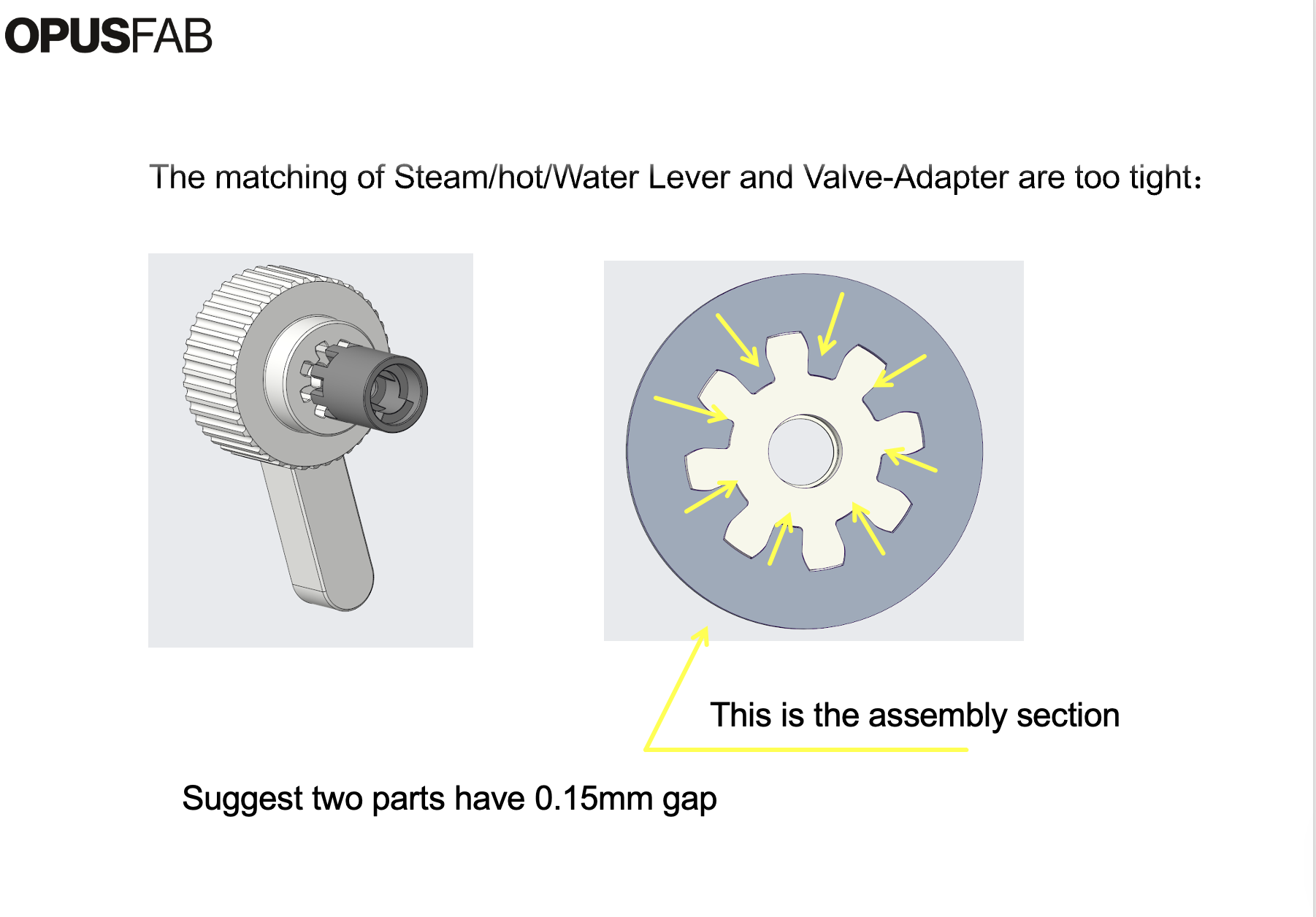
So there is usually a meeting. The supplier’s engineer walks through the slides, the design engineer asks questions, and both sides agree on what to change. Then the design is revised and sent back for a new quote. Each round adds days.
The OpusFab way
OpusFab includes a DFM check with every instant quote, so the price and the DFM result come back together. When the check finds a problem, OpusFab provides a DFM report with the issue and the proposed change. For assemblies, an OpusFab engineer walks through the proposed changes with the customer’s team on a live call.
To get a quote with DFM feedback on a part or assembly, reach out to us.